

Meetings and communication are central elements of every business, but often they are not as effective as they should be. Long and unclear meetings that drift off into sidetracks and anecdotes can lead to lost time, decreased productivity and frustration among participants.
In this article, we discuss how more effective meetings and more focused communication can be the key to a more successful and productive work environment.
Hidden costs
Time
When a large part of the working time is spent on meetings, it usually means that there is less time to focus on the core tasks.
Ineffective meetings with long discussions and repetitions can also lead to employees experiencing stress and frustration, which in turn can affect the working environment and the health of employees.
Resources
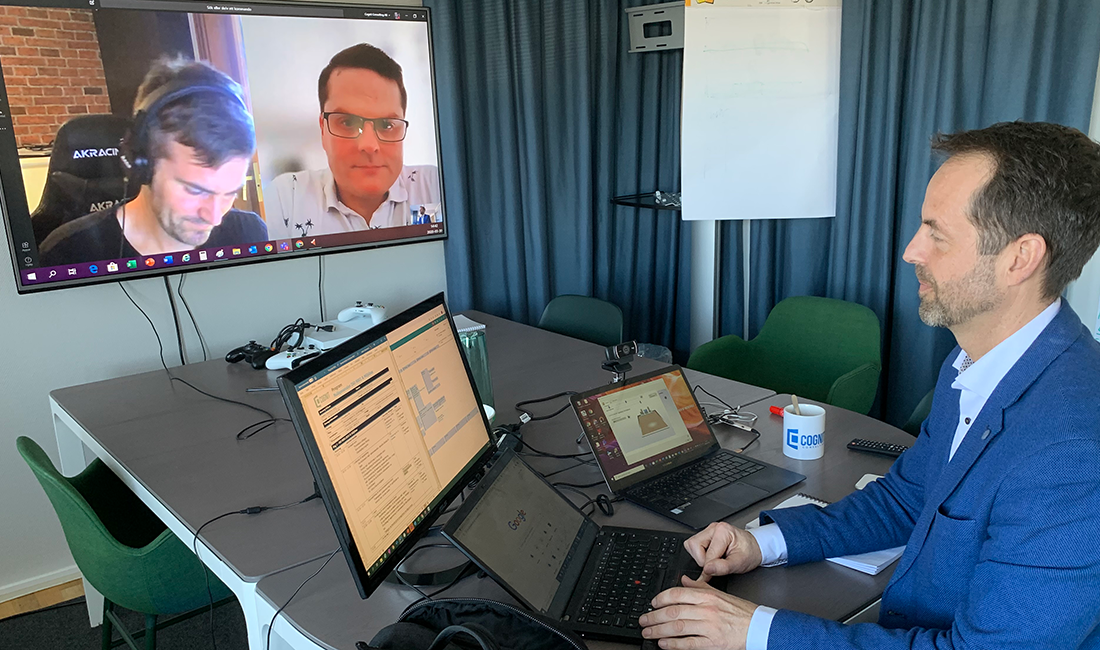 Meetings often require companies to provide resources such as premises, technical equipment and consumables, which generates costs.
In some cases, external consultants or facilitators may also need to be hired to lead meetings, which entails additional costs.
Moving to and from meetings, especially when they are held in places other than the workplace, can also involve significant costs in both time and money.
Absence of results
Another problem with meetings is that sometimes they do not lead to concrete results or decisions. This may be because the purpose or agenda of the meeting is unclear, or that participants do not have enough information to make informed decisions.
When meetings do not result in concrete action, it can lead to frustration and a feeling that time has not been put to the best use.
Opportunity cost
When employees attend meetings, it means that they cannot engage in other tasks that could generate value for the company. This opportunity cost, or “opportunity cost”, is a hidden cost that can be difficult to quantify but still affects the company’s bottom line.
Checklist to create more effective meetings
To minimize the hidden costs of meetings and create more efficient and value-creating meetings, the following simple checklist can be used:
- Is the meeting necessary?
Before scheduling a meeting, one should critically review whether the meeting is really necessary or whether there are other, more effective, ways to communicate and make decisions, such as through email, chat, or project tools.
- Does the meeting have the right time and length?
By setting a time limit for the meeting and adhering to it, we can ensure that the meeting does not drag on and that participants can focus on the most important points.
Avoid scheduling meetings too late in the day or too early in the morning, when participants may not be on top.
But beware - for some, the opposite may be the most effective, especially for professional roles where deep concentration over a long period of time is needed.
- Have we prepared the meeting correctly?
A well-prepared and structured meeting with a clear agenda and objectives reduces the risk of the meeting becoming inefficient and time-consuming.
By preparing participants with relevant information and materials in advance, the decision-making process during the meeting can be more effective.
Does the technique work?
To reduce travel and time costs, consider using digital meeting platforms and video conferencing whenever possible and appropriate.
Try the technology before the meeting kicks off and make sure that all participants can connect and use the technology effectively.
- Is the meeting tailored to the participants?
Make sure that the meetings are tailored to the communication styles and preferences of the participants. This can contribute to a more efficient and engaged work environment.
Some people think out loud, others think silently. Some can make decisions on a standing foot, others need time to reflect. Some thrive on cold talk, others want to be brutally focused. Think about who is attending before the meeting starts.
By creating opportunities for informal conversations and social interaction outside the meeting room, we can maintain a positive corporate culture that optimizes productivity during our meetings.
Find a balance between creating an effective work environment and maintaining a certain level of personal engagement between colleagues.
- How do we intend to follow up and evaluate?
After the meeting, ensure that there is a clear follow-up and division of responsibilities for the decisions made.
Also evaluate the meeting to continuously improve and optimize the meeting structure and efficiency.
Feel free to ask for feedback from participants to get a better understanding of what worked well and what can be improved.
Summary
By creating more effective meetings and focused communication, we can minimize some hidden costs for the company, increase productivity and improve collaboration between colleagues. This leads to a more successful and prosperous work environment for all involved.